Discover practical advice, ideas and proven ways to plan urban space better with PlanPlace.
When the situation in a city changes from hour to hour, the problem is often not a lack of information. The problem is that everyone is working with a different version of it.
A field crew almost always knows more about the site than someone looking at the plan from behind a desk. While maintaining green areas, a worker may notice a damaged bench. During waste collection, the crew may find an overturned bin or an illegal dumping site. During an inspection, they may come across a tree that needs to be removed, a new piece of infrastructure, or an obstacle that prevents the planned work from being carried out as instructed.
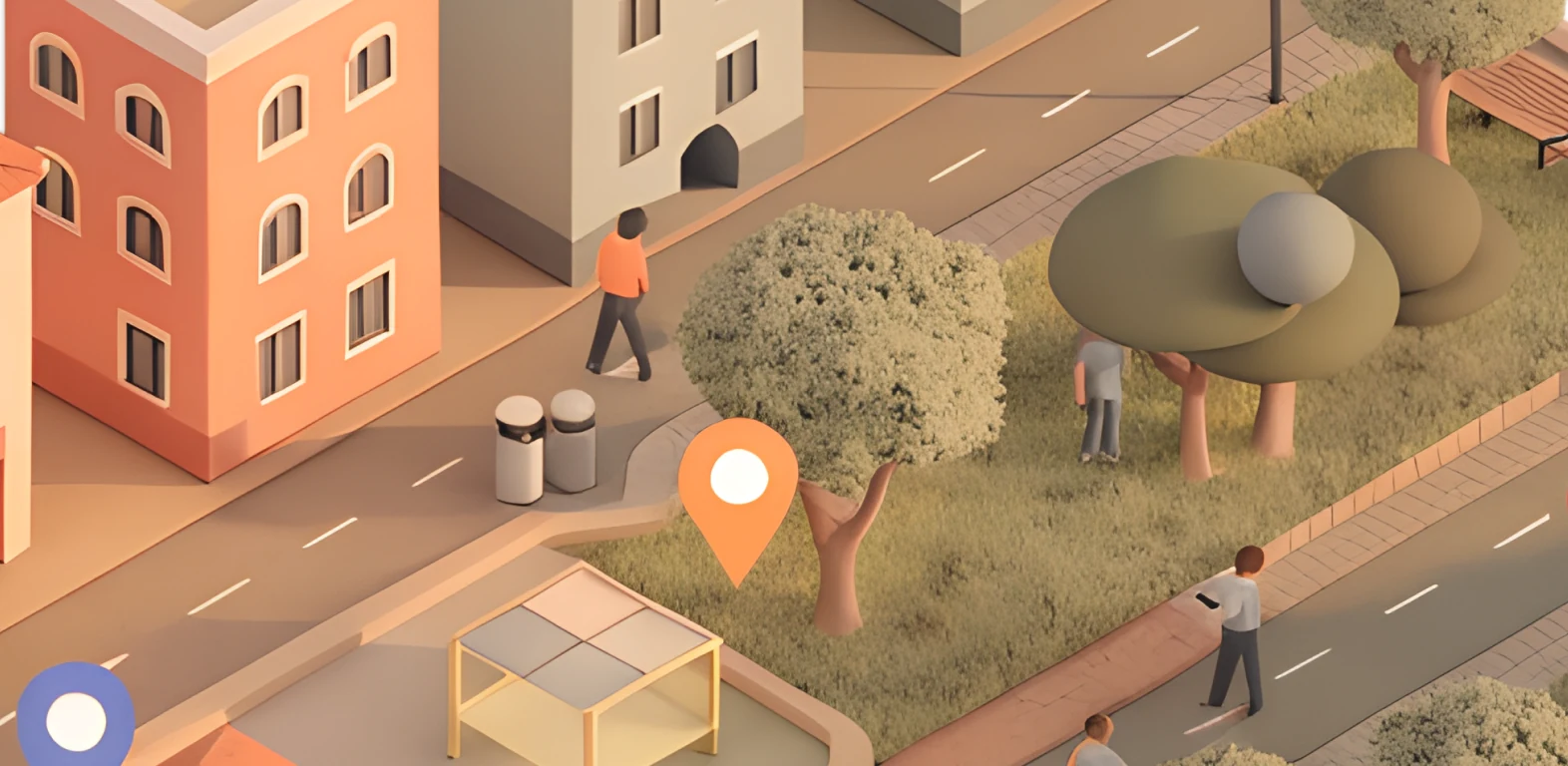
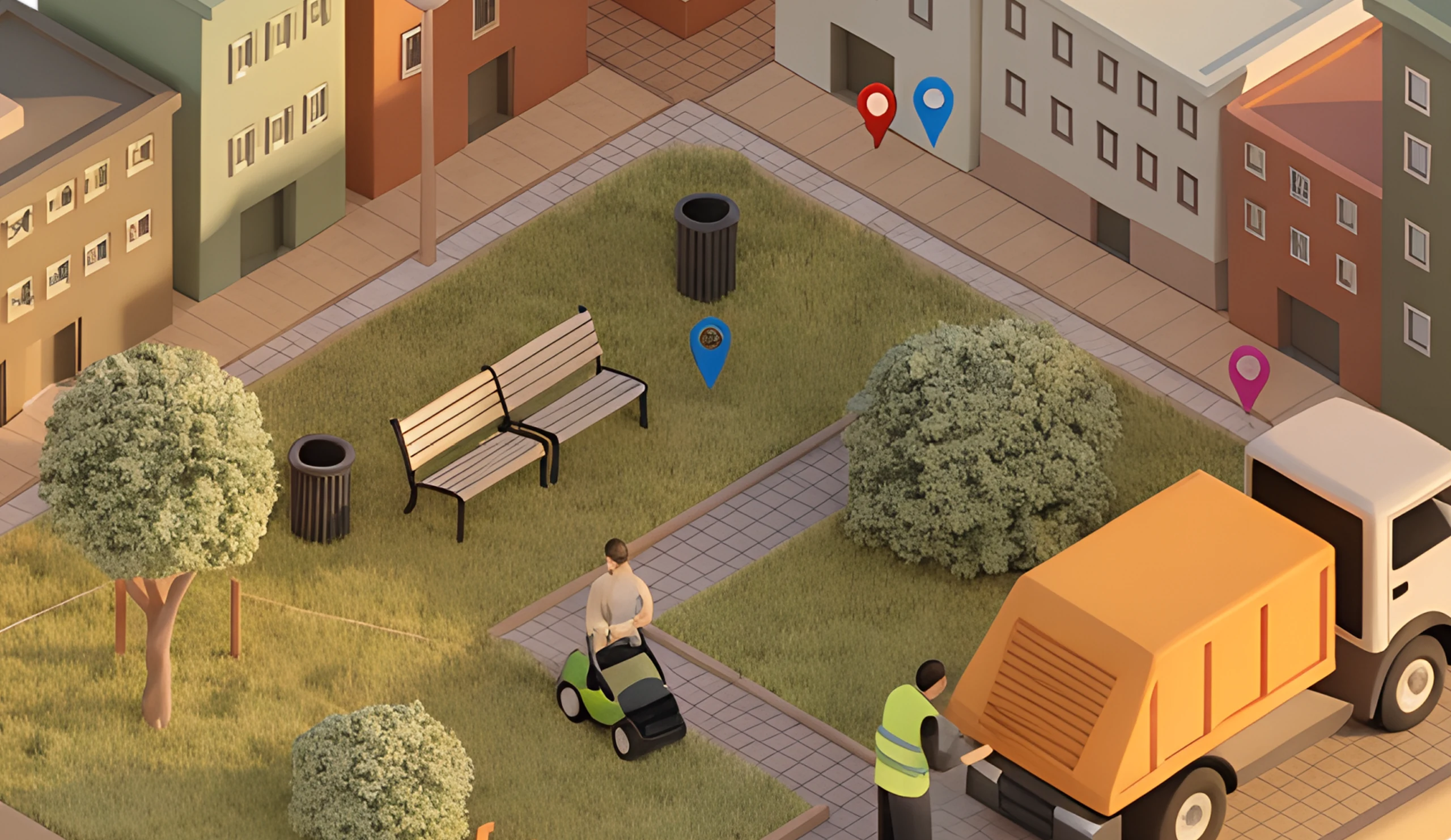
Maintaining a city involves hundreds of small and large tasks carried out regularly across public spaces. Grass cutting, emptying litter bins, waste collection, maintaining greenery, cleaning pavements and squares, inspecting street furniture and seasonal maintenance work — each of these activities is relatively simple when considered on its own.
Two weeks before the gates open, a festival site plan usually starts to take on a life of its own. One version has already been sent to the authorities, another has gone to the technical contractor, the sponsor has received yet another PDF, and the most up-to-date changes are known by the person who moved the backstage area yesterday because it turned out that an articulated truck could not fit on the planned service road.
On a map, a road race looks simple. A route, a start, a finish, a few water stations — done.
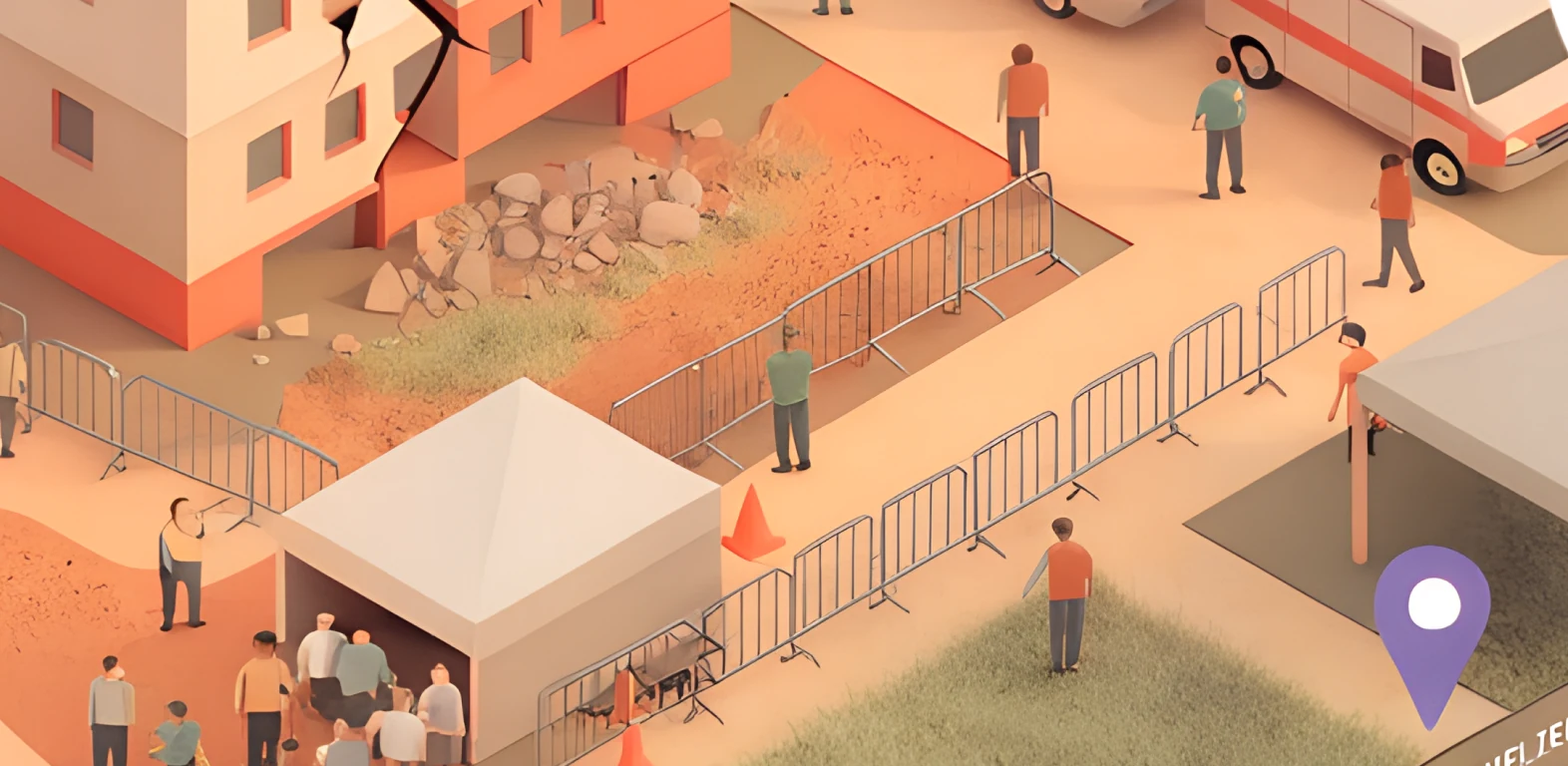
The first version of a construction site plan usually looks good.
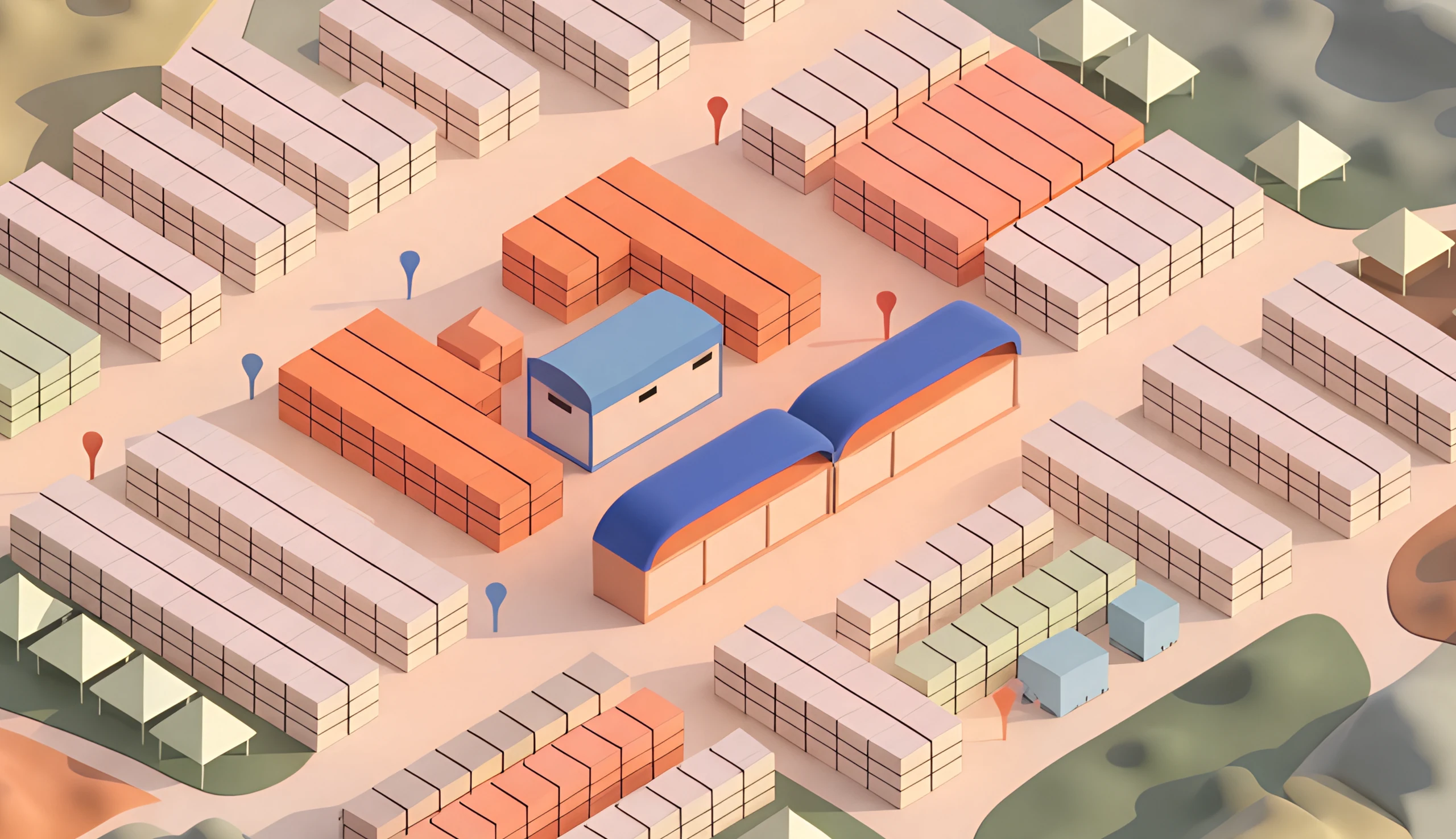
At a trade show, the layout itself is only the beginning.
One shared plan for the whole team. No more out-of-date PDFs and chaos in your inbox.